Senior moves
handled with patience and care.
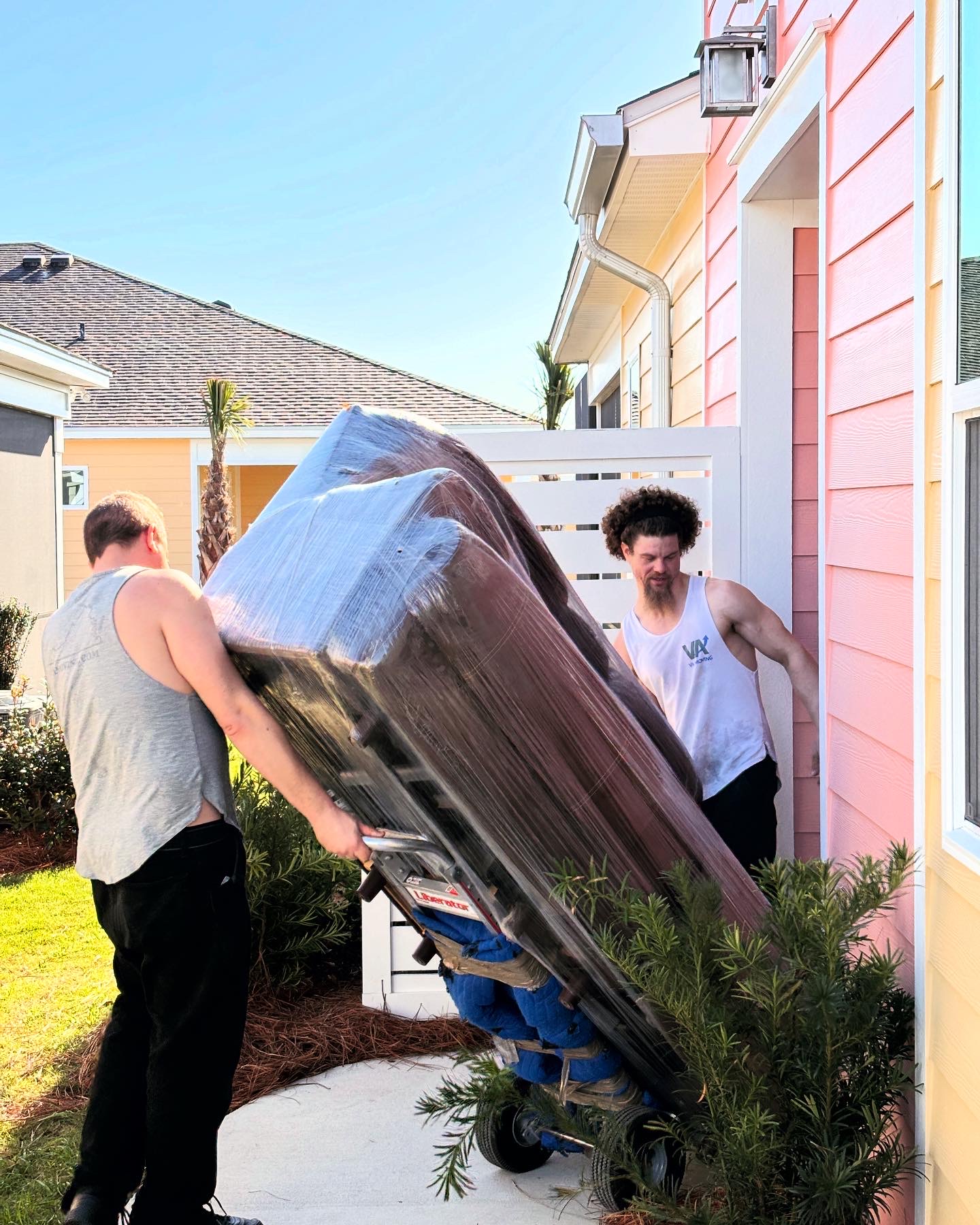
Senior moves with patience, planning, and care.
Senior moves are often completed in stages, not all at once. Many families begin with decluttering, donation coordination, and identifying what should move first.
These moves typically require additional patience, extra time, and a higher level of planning so each step feels manageable and stress is reduced.
We can help prioritize essentials for the new home, organize later phases, and coordinate items being sent to children or family members in other states.
Experienced senior move support.
VA Moving has extensive experience with senior relocations, including local Williamsburg-area moves and helping families relocate from out of state into Virginia.
We have strong working relationships with many senior communities in Williamsburg, which helps coordinate logistics, timing, and move-day access so the process stays smooth.
Please do not hesitate to call (757) 902-2444 if you have any questions.
Senior move roadmap
What a typical senior move looks like.
Many senior moves involve downsizing from larger multi-story homes into one- or two-bedroom apartments, which is why the process often benefits from staged planning and optional support services.
Decluttering
OptionalSort keep, donate, consign, and storage items so the move plan reflects what is truly coming to the new home.
Donations
OptionalCoordinate donation drop-offs to organizations such as Habitat ReStore, Goodwill, and DAV as part of pre-move reduction.
Consignment
OptionalIdentify furniture and decor for consignment at locations such as The Velvet Shoestring before final packing begins.
Packing and preparation day
Dedicate a day to boxing loose items, labeling by room, and preparing furniture and specialty pieces for safe handling.
Load, transport, and unload day
Load the truck, transfer to the new residence, and unload with placement based on your agreed room plan.
Unpacking and setup day
OptionalUnpack boxes and place household items where they belong so the new home feels functional immediately.
Warehouse hold for family delivery
Set aside furniture and boxed items destined for children out of state and return them to the warehouse for later delivery.
Overwhelmed by a one-day move?
We can split the transfer into two stages.
Stage one
Move essential furniture and daily-use items first so the new home is functional right away.
Stage two
Return for remaining items after space is confirmed, reducing pressure and improving layout decisions.
Planning tool
Downsizing decision guide.
Use this guide to make faster, clearer decisions before move day. It helps families reduce stress by assigning every item to a practical next step.
Best fit
Daily-use or high-priority items needed immediately in the new home.
Examples
Primary bed, essential seating, medications cabinet, daily kitchen items, key documents.
Next action
Tag for Stage One transfer and place in priority rooms first.
Best fit
Good-condition items no longer needed and unlikely to be used in the new space.
Examples
Extra chairs, duplicate tables, surplus decor, household overflow.
Next action
Sort early and schedule drop-off windows with donation organizations.
Best fit
Higher-value pieces that are not moving but may still return financial value.
Examples
Quality accent furniture, vintage pieces, select decor and artwork.
Next action
Photograph and pre-select consignment candidates before pack day.
Best fit
Items you want to keep but do not have immediate space for at move-in.
Examples
Seasonal items, backup furniture, overflow boxes, keepsakes.
Next action
Label for warehouse hold or vault storage with planned future review dates.
Best fit
Items specifically designated for children or relatives, including out-of-state delivery.
Examples
Heirlooms, selected furniture, memory boxes, inherited household pieces.
Next action
Create recipient tags and hold at warehouse for coordinated later delivery.
Senior community move-day checklist.
When moving into a senior community, building coordination matters as much as the move itself. Work through these before move day.
Reserve elevator and move windows
Confirm elevator bookings, approved move times, and any time blocks required by the community office.
Submit building or COI paperwork
Complete required certificates of insurance, access forms, and move authorization documents before your date.
Confirm loading area and parking rules
Identify where the truck can stage, where crews can load and unload, and what parking restrictions apply.
Review move-in day restrictions
Check quiet hours, cart usage rules, floor-protection requirements, and any policy limits on move activity.
Assign an on-site contact person
Set one point of contact at the community to handle day-of access questions and quick approvals if needed.
Senior moving FAQ.
Common questions about planning and completing a senior move with less stress.
Ready to start planning?
Tell us about your timeline and we will help build a senior move plan that keeps every step manageable.
Fast response Clear pricing Local support